One of the most underestimated parts of a remodeling project is the product selection process.
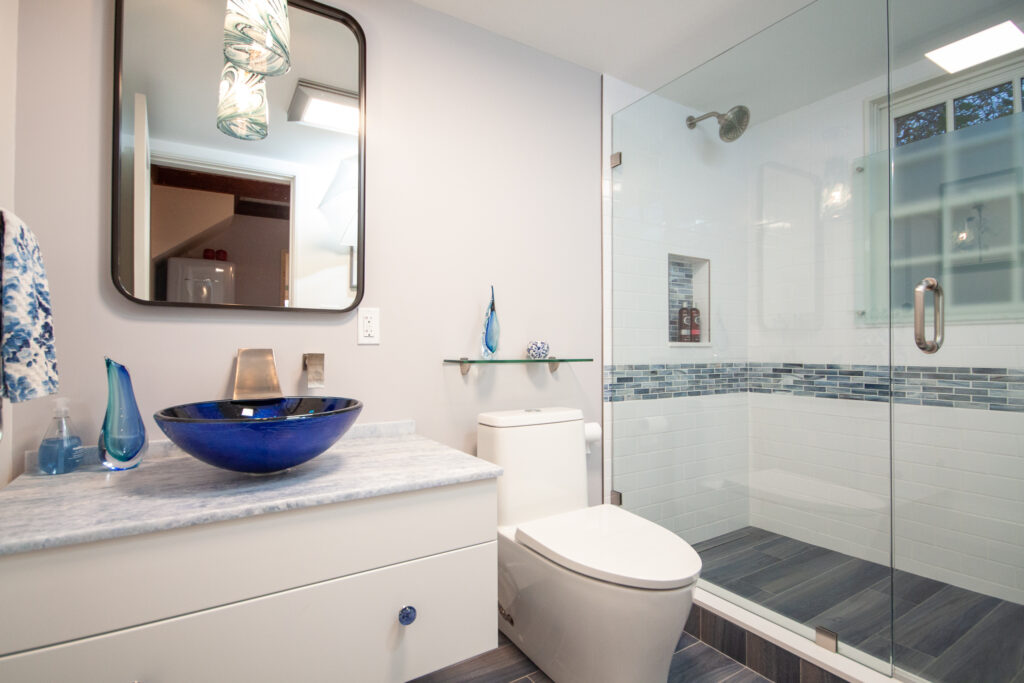
Homeowners often expect fixture selections to be fairly simple. A faucet is a faucet. A toilet is a toilet. A shower system is just a matter of style. But once a project begins moving from ideas into real decisions, most people quickly realize there is much more involved. Product compatibility, lead times, installation requirements, finish coordination, pricing structure, code considerations, and warranty support all affect the outcome.
That is exactly why the selection process matters so much.
At WORKS by JD, we believe homeowners should not have to sort through all of that complexity on their own. The best experience happens when your remodeling team and trusted supplier are aligned early, communicating clearly, and guiding you through decisions with a shared understanding of your project goals.
Selections Are About More Than Style
Most homeowners begin with appearance, and that is completely natural. You want your kitchen or bathroom to look beautiful. You want finishes that feel cohesive. You want fixtures that fit the style of your home and the level of investment you are making.
But selecting plumbing fixtures is not only a design decision.
The right products also need to fit the layout, align with the construction schedule, meet local requirements, and work with the other systems going into the home. In the Monday Power Hour conversation, Elena Mancini explained that early information such as budget range, job timing, plans, delivery contacts, and whether pricing is being shared with the client all help make selections smoother and more accurate.
That kind of coordination matters because it helps prevent avoidable problems. It is far better to know up front whether a finish has a long lead time or whether a product is not the best fit for the project than to discover it after decisions have already been made.
Homeowners Need Guidance, Not More Noise
The reality is that most homeowners do not make these decisions every day. They should not be expected to know the difference between products that only look similar on a screen and products that are actually right for their remodel.
This is where the right guidance makes a real difference.
During the conversation, Elena described how she works to understand what clients like, what they are trying to accomplish, and what level of investment makes sense before steering them toward the most appropriate options. She also spoke about helping reduce decision fatigue by asking homeowners to bring inspiration images and using those as a starting point to narrow choices in a more thoughtful way.
That approach is valuable because remodeling already asks a lot of homeowners. There are many decisions to make, often across multiple rooms, while balancing family life, work, schedules, and budgets. A good process does not add to that stress. It helps reduce it.
The Showroom Experience Should Be Planned, Not Random
One of the clearest takeaways from the discussion is that a showroom appointment works best when it is treated as part of the project process, not as an isolated shopping trip.
When homeowners walk into a showroom without a clear framework, it is easy to waste time looking at products that are outside the project timeline, outside the budget, or not ideal for the installation. But when the design-build team shares plans, context, allowances, and expectations in advance, the appointment becomes far more productive.
That preparation allows the consultant to focus the conversation in the right direction. It also gives the homeowner a better experience because the meeting feels guided, informed, and efficient rather than overwhelming.
This is one of the reasons WORKS by JD values relationships with knowledgeable partners. We want our clients to feel supported by people who understand both the product side and the practical realities of remodeling.
Better Coordination Leads to Better Budget Conversations
Selections can also create confusion when pricing is handled casually or too late in the process.
A homeowner may see one price online, another price in a showroom, and an allowance in a contract, and assume those numbers should all mean the same thing. In reality, they often reflect different contexts. What matters most is that the project team is aligned on how selections are being quoted, how allowances are being used, and what level of product is being targeted.
That kind of communication came through clearly in the discussion. Elena noted that trade relationships, retail pricing, project timing, and overall selection strategy all need to be understood before the appointment so that the client experience stays clear and consistent.
For homeowners, this clarity is important. It reduces surprises, supports better expectations, and helps make the budgeting side of remodeling feel more manageable.
Service Still Matters After the Purchase
Another important point from the conversation is that the value of a trusted supplier is not limited to helping pick products.
It also shows up in the service that follows.
Warranty support, order accuracy, delivery coordination, product documentation, and problem-solving all matter once the project is underway. Elena explained that her team provides picture books, spec books, and organized quoting so that clients and project teams can understand what was selected and how those products connect back to the scope of work. She also emphasized the importance of helping clients navigate warranty questions and making sure the correct items are being ordered through the right channels.
For homeowners, that means less guesswork and fewer loose ends. It also reinforces an important truth: the remodeling experience is not just about buying products. It is about having the right people helping manage details that most homeowners should not have to untangle themselves.
Strong Partnerships Improve the Homeowner Experience
The broader lesson is simple. Great remodeling outcomes do not happen because one person makes a few good decisions in isolation. They happen because the right professionals collaborate well.
In this case, the conversation with Elena Mancini highlighted the role a trusted showroom partner can play in supporting homeowners through selections, timing, pricing clarity, product education, and ongoing service. It also reflected something WORKS by JD cares deeply about: building relationships with professionals who make the remodeling process more thoughtful, more organized, and easier for the client.
That is what strong partnerships are supposed to do.
For homeowners on the North Shore of Massachusetts, this means a better path through one of the more complex parts of remodeling. Instead of trying to sort through every option alone, you have a team coordinating behind the scenes, narrowing the field, protecting the process, and helping you make choices that fit your home and your goals.
That is not a small thing. It is part of what makes a remodel feel well led.