
Homeowners often think of remodeling in terms of the permanent pieces first.
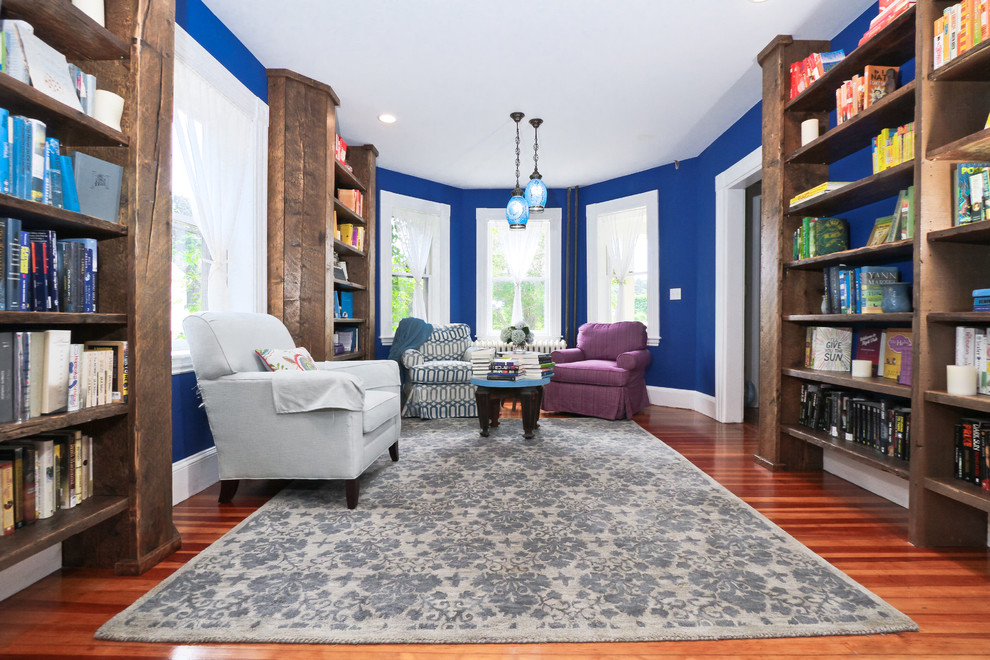
They focus on layout, cabinetry, tile, flooring, lighting, and paint. Those decisions matter, but many finished rooms still feel like something is missing after construction wraps up. The space may be technically done, yet it does not quite feel settled, softened, or complete. That is where soft furnishings can make a major difference.
In a recent introductory conversation between WORKS by JD and Calico, the discussion centered on custom window treatments, upholstery, pillows, bedding, wallpaper, and the role these elements play in both function and aesthetics. The biggest takeaway was simple: these are not just decorative extras. They are often the details that help a home feel finished and livable after the major construction work is done.
A Finished Room Still Has to Function Well
One of the more useful points in the conversation was that Calico does not approach fabric selections as beauty alone.
Their process starts with function. The discussion covered questions like whether a homeowner needs light control, thermal performance, outdoor durability, or simply a better way to tie a space together visually. Calico also explained that their team helps customers think through how products need to work in the home before narrowing in on style.
That is an important homeowner message.
Window treatments are not only about softness or color. Upholstery is not only about making a chair look better. Wallpaper is not only about pattern. These decisions also influence privacy, comfort, warmth, durability, and the overall experience of using the room every day.
Soft Furnishings Often Finish What Construction Starts
A remodel can create a beautiful shell, but that shell still needs layers to feel complete.
That idea came through clearly in the Calico conversation. The team described helping customers with window treatments, reupholstery, bedding, pillows, table linens, Hunter Douglas shades and shutters, outdoor fabrics, and wallpaper. Rather than treating these as isolated purchases, the process is built around understanding what the room needs and how the pieces can work together.
For homeowners, this matters because many spaces do not feel fully resolved with hard finishes alone. A room may need drapery to soften strong lines, upholstery to bring older furniture into a new design direction, or wallpaper to add character where paint alone feels flat. These are often the details that move a room from completed to truly finished.
Old Pieces Can Still Have Value in a New Design
Another strong angle in the discussion was reupholstery.
Calico explained that they do a meaningful amount of furniture recovery work, especially with heirloom pieces and older furniture that homeowners want to keep but update. That may mean preserving the structure of a well-made piece while giving it new life with fresh fabric, new fill, or adjusted detailing so it fits the home better today.
That is a valuable reminder for homeowners during remodeling.
Not every good design decision requires starting over. In some homes, part of the goal is keeping meaningful pieces while helping them work better with the updated room. A chair, bench, or sofa may carry history even if the old fabric no longer fits the look of the space. Reupholstery can be a thoughtful way to bridge that gap.
Good Guidance Matters Because Homeowners Do Not Always Know What Will Work
One of the most honest parts of the conversation was the repeated point that homeowners often do not fully know what they need when they first walk in.
Calico described training their team to lead with confidence, to guide customers toward functional solutions, and to say no when an idea may look appealing in theory but will not work well in practice. They also spoke about being upfront about budget and about the reality that custom work is not inexpensive, while still aiming to make pricing clear early so nothing feels like a surprise.
For homeowners, that is exactly the kind of support that makes a process easier.
A good showroom partner should not just hand over sample books and ask the client to figure it out. They should help narrow choices, explain tradeoffs, and steer the homeowner away from decisions that may not perform well or make sense for the room.
Wallpaper and Window Treatments Can Add More Character Than Homeowners Realize
The conversation also opened up a broader design point.
Calico spoke not only about fabrics, but also about wallpaper and how much texture, pattern, and visual depth it can add to a room. They also discussed shades, shutters, and soft window treatments as major categories in their work, especially when homeowners want privacy, light management, or a more layered finished result.
That matters because these categories often come into the conversation too late.
By the time homeowners start thinking about drapery, wallpaper, or shades, the room may already be finished and the decisions can feel rushed. But when those layers are considered earlier, they can influence how the room is planned, how windows are detailed, and how the entire space comes together visually.
The Best Results Come From a Process, Not Just a Product
One of the more useful homeowner takeaways from this meeting is that Calico’s process begins in the showroom, then often moves into the home after style, fabric direction, and rough pricing are established.
That sequence helps reduce guesswork. It gives the homeowner a way to see materials first, understand the ballpark, and then move into in-home design conversations with more clarity. The discussion also touched on how their team keeps detailed notes and client records so future phases of a room or future seasonal projects can be picked back up more easily.
That kind of structure matters because soft furnishings can easily become overwhelming when approached casually. A better process helps make the experience feel guided rather than scattered.
A More Complete Remodel Usually Comes From Better Layering
At WORKS by JD, conversations like this are useful because they reinforce a bigger point about remodeling: homeowners do not just need spaces built. They need spaces finished well.
Calico brought a strong perspective on fabrics, function, window treatments, upholstery, wallpaper, and the kind of customer guidance that helps homeowners make more confident decisions. That aligns with something WORKS by JD values deeply: thoughtful partnerships that help carry the homeowner experience beyond construction alone.
For North Shore homeowners, the takeaway is straightforward. A remodel does not feel complete because the walls are painted and the fixtures are installed. It feels complete when the layers that support comfort, softness, privacy, texture, and daily living are considered too.