When homeowners think about custom cabinetry, they often picture the final look first.
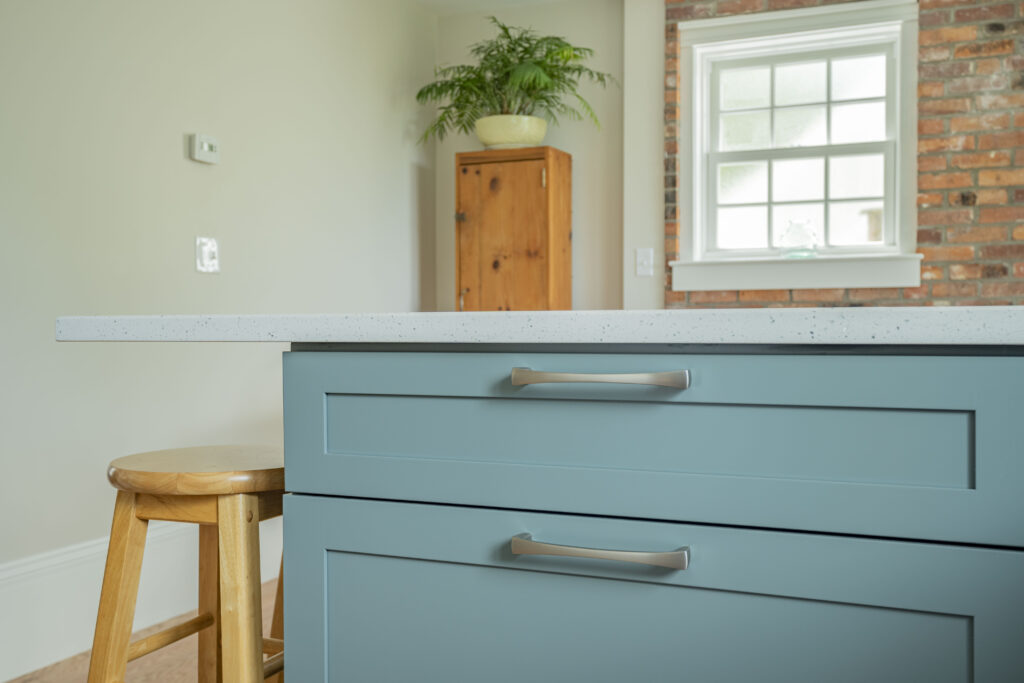
They imagine the finished kitchen, the clean lines, the storage, the hardware, the integrated appliances, and the overall sense of polish. Those things matter, but they are only part of what makes cabinetry successful in a remodel. The real value of custom cabinetry is not just in how it looks when the project is done. It is in how well it is planned, coordinated, built, installed, and supported along the way.
That idea came through clearly in a recent introductory conversation between WORKS by JD and Ornare Boston. The discussion was not just about luxury cabinetry as a product. It was about process, collaboration, technical support, installation, aftercare, and the kind of homeowner experience that comes from having the right people involved from the beginning. Ornare described its work as design support for professionals, backed by drawings, renderings, shop drawings, project management, white glove delivery, installation, and post-installation care.
Great Cabinetry Starts Long Before Installation Day
To a homeowner, cabinetry can sometimes seem like a selection that happens after the big decisions are already made.
In reality, it often needs to begin much earlier. During the conversation, Polyana explained that her team can help with kitchen and closet design, client reviews, layout support, internal organization planning, budgeting, and presentations before a final proposal is approved. She also described the technical phase that follows, including site confirmation, final measurements, finish verification, appliance coordination, and mechanical review before production begins.
That is an important reminder for homeowners because cabinetry touches so many other parts of a remodel. It affects layout, appliance placement, electrical planning, storage function, visual balance, and overall usability. When cabinetry is treated as a late-stage add-on instead of an integrated planning category, problems become more likely. When it is coordinated early, the entire project tends to feel more resolved.
Luxury Should Also Mean Support
Another useful takeaway from the conversation was that high-end cabinetry should come with more than a premium look.
Ornare spoke about supporting trade partners with technical drawings, renderings, shop drawings, project management, installation, and aftercare after the cabinetry is in use. They also described warranty support and a service model that continues beyond the initial installation, including returning to adjust issues like drawers or doors once the client begins living with the space.
For homeowners, that matters a great deal.
A premium product should not feel finished the moment it is delivered. It should feel supported. Good cabinetry is not only about buying something beautiful. It is about working with people who understand that the end result depends on follow-through, accountability, and care after the installation crew leaves.
That standard aligns closely with how WORKS by JD thinks about remodeling as a whole. A project should feel well led from start to finish, not impressive only in the showroom.
Design Flexibility Matters More Than Homeowners Expect
One of the more interesting parts of the discussion was the way Ornare described its collections and pricing structure.
Rather than framing quality around entry-level versus premium lines, Polyana explained that the company maintains the same quality standard across collections, with price shifting based on how pieces are made, how much craftsmanship or technology is involved, and how much customization or accessory detail a client wants. She also noted that their offerings range beyond a strictly modern look, with contemporary and classic collections that can be mixed to create more transitional results.
That is important for homeowners because cabinetry decisions often feel more rigid than they really are.
Many people assume that a luxury cabinetry brand only fits one aesthetic, one price level, or one type of client. But in practice, a good design partner should be able to help shape a project around the homeowner’s goals, style, and priorities while still protecting quality. That kind of flexibility leads to better outcomes because it opens the door to more tailored decisions instead of forcing the project into a single narrow lane.
Budget Clarity Is Part of the Design Process
Cabinetry is also one of the categories where assumptions can quickly become disconnected from reality if cost is not discussed honestly.
In the conversation, Polyana gave an example of one kitchen layout that shifted significantly in price when the design scope changed for a resale-oriented project. Her point was not that cabinetry pricing is unpredictable. It was that cost is influenced by design choices, accessories, customization, and the level of detail being pursued, even within the same general layout.
For homeowners, that is a healthy and important message.
A good cabinetry process should not hide the relationship between design ambition and cost. It should clarify it. When the team understands the budget early and uses it to guide decisions, the homeowner gets a more honest experience and a more practical path toward the right solution.
That does not make the project less custom. It makes it better aligned.
The Best Cabinetry Partnerships Improve the Remodeling Experience
One of the strongest themes in the meeting had less to do with cabinetry itself and more to do with the people behind it.
Polyana repeatedly emphasized collaboration, adaptability, and relationship-building, noting that every project is different and may require a different way of working. Jesse, in turn, reinforced the idea that homeowners and project teams respond most strongly to people, not just brands, and that trust grows through understanding how a partner actually works. Both sides pointed back to the same larger idea: the right partnership is meant to make the process smoother and the experience better for the client.
That matters because homeowners do not experience cabinetry as an isolated product purchase. They experience it as part of a larger remodeling journey.
They want to know that the designer understands how they live. They want to know that measurements will be right, finishes will be coordinated, installation will be managed well, and support will continue if issues arise. They want beautiful results, but they also want confidence.
That is what strong collaboration is supposed to provide.
A Better Kitchen Is Usually the Result of Better Coordination
At WORKS by JD, conversations like this are valuable because they help strengthen the network of professionals around the homeowner experience.
Ornare Boston brought a perspective centered on design support, technical coordination, installation, aftercare, and adaptability to client needs. That is exactly the kind of partnership that can add value when a remodel calls for a high level of cabinetry planning and execution. It also reinforces something WORKS by JD believes deeply: homeowners are best served when thoughtful professionals work together early, communicate clearly, and stay committed to the final outcome.
For North Shore homeowners, that is the bigger takeaway. Custom cabinetry is not just about achieving a beautiful finish. It is about making sure the process behind that finish is every bit as thoughtful as the result itself.