Home Addition or Renovation? How to Decide What Your Home Really Needs
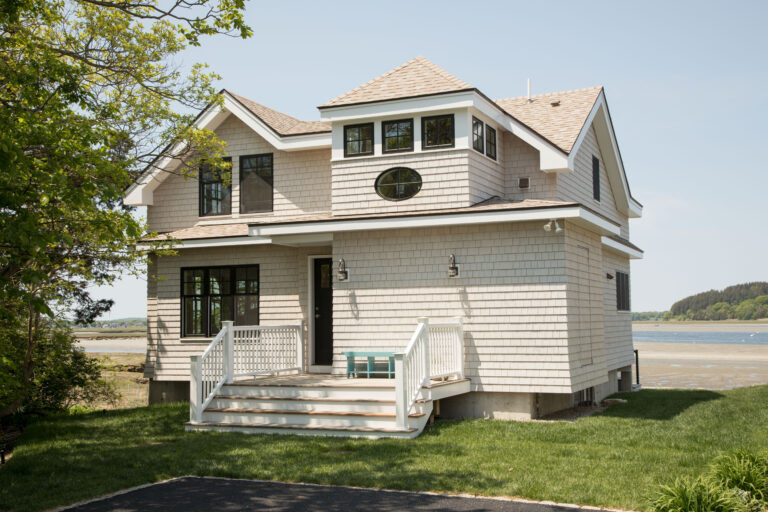
At some point, a home can start to feel like it no longer supports the way you live.
Maybe the kitchen feels disconnected from the rest of the house. Maybe the main living areas feel tight when family or guests are over. Maybe storage is always a problem, routines feel harder than they should, or the spaces that once worked well no longer fit this season of life.
That is often when homeowners begin asking a bigger question:
Do we need a home addition, or should we renovate the space we already have?
It is an important question, and the answer is not always obvious. A thoughtful remodeling decision should start with the problem you are trying to solve, not just the project you think you need.
More Space Is Not Always the First Answer
A home addition can be the right solution when a house truly needs more square footage. Growing families, multigenerational living, work-from-home needs, guest space, and lifestyle changes can all create a real need for additional space.
But sometimes, the home does not need to be bigger.
Sometimes, the layout needs to work better.
A closed-off kitchen may make the entire first floor feel smaller. Poor storage may create daily frustration even when the home has enough square footage. A disconnected floor plan may make family gathering, entertaining, or everyday routines feel less natural than they should.
Before assuming an addition is the answer, it helps to look closely at how the current home is functioning.
Ask:
What feels crowded or inconvenient?
Which spaces are not being used well?
Where does the home feel disconnected?
Is the issue square footage, layout, storage, flow, or all of the above?
What would make daily life feel easier, calmer, and more supported?
The right project should solve the real problem, not just add more space around it.
When a Renovation May Be the Better Fit
A renovation may be the better direction when the home has enough space but the layout, function, or finishes no longer support the way you live.
This can include reworking a kitchen, opening or improving connections between rooms, updating bathrooms, improving storage, changing circulation, or creating a stronger relationship between the main living areas.
A well-planned renovation can make a home feel more usable, more refined, and more aligned with daily life without expanding the footprint.
For many homeowners, this is where the biggest transformation happens. Not because the home becomes larger, but because it finally begins to function with more clarity.
When a Home Addition Makes Sense
A home addition may be the right choice when the existing footprint cannot reasonably support the homeowner’s needs.
This may include adding a larger kitchen and family space, creating a primary suite, expanding for multigenerational living, adding a mudroom, building a home office, or creating more room for family life.
An addition should feel intentional, not simply attached. It needs to connect with the existing home in a way that respects scale, flow, exterior character, and long-term function.
That is why planning matters so much. A successful addition is not just about gaining square footage. It is about making the new space feel like it belongs.
Start With How You Live
Before deciding between an addition and a renovation, the most useful place to begin is daily life.
How does the home support your mornings?
Where does the routine break down?
What feels harder than it should?
What spaces do you avoid using?
Where do you wish the home felt more open, calm, connected, or practical?
These questions help clarify whether the home needs more space, a better plan, or a combination of both.
The best remodeling decisions are not rushed. They come from understanding the homeowner’s goals, the existing structure, and the long-term value of the investment.
Why the Planning Process Matters
A home addition or renovation affects more than the finished look of a space. It affects how the home functions, how construction is coordinated, how decisions are made, and how confident the homeowner feels throughout the process.
At WORKS By JD, planning is part of the craftsmanship.
A thoughtful design-build process helps clarify the scope, design direction, selections, schedule, communication, and expectations before construction begins. That clarity can help reduce confusion, avoid rushed decisions, and create a stronger path from idea to finished space.
For homeowners, this means the project begins with more than inspiration. It begins with a clear understanding of what the home needs and why.
The Right Question Comes First
If your home no longer feels like it fits your life, the first question is not simply, “Should we add on?”
The better question is:
Is the home truly too small, or is the layout just not working anymore?
That question can change the entire direction of the project.
Sometimes the answer is a renovation. Sometimes it is an addition. Sometimes it is a larger design-build plan that brings both together.
What matters most is choosing the solution that supports the home, the routine, and the long-term investment.
Planning a Remodel on the North Shore?
If you are considering a home addition, renovation, kitchen remodel, bath remodel, or larger home transformation, WORKS By JD can help you begin with clarity.
WORKS By JD | Build it better, together.
Visit worksbyjd.com to begin your transformation.