ADU Planning Starts With Understanding Your Property
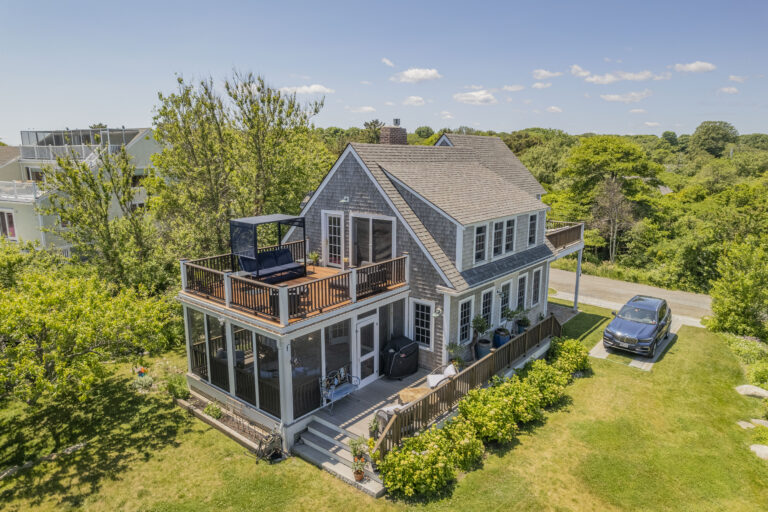
For many homeowners, the idea of an ADU begins with possibility.
Maybe it is a private space for family.
Maybe it is a quiet home office.
Maybe it is room for guests, future flexibility, or potential long-term income.
An accessory dwelling unit can be a smart way to make better use of a property, especially when a home already has space that feels underused. But before the design begins, before construction is discussed, and before decisions start stacking up, there is one step that matters most:
Understanding the property.
A successful ADU is not just about adding more square footage. It is about making sure the new space works with the existing home, the land, the neighborhood, the approvals required, and the way the homeowner actually lives.
The first question is not “What should it look like?”
It is natural to start with design ideas. Homeowners often imagine a small cottage, a guest suite, a detached office, or a flexible living space tucked into the property.
But the better first question is: what can the property support?
Every property has its own conditions. Lot size, setbacks, access, parking, utilities, privacy, drainage, existing structures, and town requirements can all affect what is possible. These details are not the exciting part of the conversation, but they are the details that protect the project from becoming stressful later.
This is where planning matters.
Before an ADU becomes a build, homeowners need clarity around feasibility. That means understanding not just what they want, but what the site allows and what decisions need to be made before construction begins.
A good ADU should solve the right problem
More space is helpful only when it supports the right purpose.
For one family, an ADU may be about giving aging parents a comfortable place nearby while still maintaining independence. For another, it may be about creating a dedicated workspace that separates business from daily home life. For someone else, it may be about future flexibility as family needs change over time.
The strongest projects begin with a clear reason.
What is not working right now?
Who will use the space?
How often will it be used?
Does it need privacy, storage, a separate entrance, or a stronger connection to the main home?
Will the space need to adapt in five or ten years?
These questions shape better design decisions. They also help homeowners avoid building something that looks good on paper but does not truly support daily life.
Property access, privacy, and flow matter
An ADU should feel intentional, not simply placed wherever there is room.
Access is one of the most important early considerations. How someone enters the space affects privacy, convenience, parking, lighting, and the overall relationship between the ADU and the main home.
A detached ADU may need a thoughtful path from the driveway. An attached or interior ADU may need separation from the primary living areas. A backyard structure may need to balance views, outdoor space, and neighbor privacy.
These are not small details. They affect how comfortable the space feels once it is built.
A well-planned ADU should feel like it belongs on the property. It should support the home without disrupting the way the property already functions.
Permits and regulations should be part of the early conversation
For homeowners, permits and regulations can feel like the most overwhelming part of ADU planning.
That is understandable. Requirements can vary by town, and details such as zoning, building code, utilities, septic or sewer capacity, parking, and inspections may all need to be reviewed before a project can move forward.
This is why an ADU should not begin with guesswork.
A thoughtful planning process helps homeowners understand which questions need to be answered early, what information may be required, and where potential limitations may exist. It also helps reduce the pressure that can come from trying to make design decisions before the practical details are clear.
The goal is not to rush into construction. The goal is to make confident decisions with the right information in place.
Budget clarity comes from planning, not assumptions
Cost is often one of the biggest hesitations homeowners have when thinking about an ADU.
That hesitation is valid.
An ADU may involve more than the visible structure. Site work, utilities, foundation requirements, access, finishes, systems, permitting, and connection to the existing home can all affect the full scope of work.
This is where early planning protects the homeowner.
A clear design-build process helps identify the real scope before too many assumptions are made. It gives homeowners a better understanding of what they are asking the project to accomplish and what level of investment may be required to do it properly.
For premium remodeling, clarity is part of the value. It helps homeowners make decisions with more confidence and less pressure.
Why design-build matters for ADU planning
An ADU brings together design, construction, permitting, budgeting, and long-term function. When those pieces are disconnected, homeowners can end up carrying too much of the coordination themselves.
A design-build approach helps bring the conversation together earlier.
Instead of treating design as one step and construction as another separate step, design-build planning looks at how the idea will actually be executed. That includes the property, the structure, the homeowner’s goals, the practical constraints, and the quality of the finished result.
At WORKS By JD, planning is not treated as a formality. It is part of how better projects are built.
The right plan helps clarify expectations, reduce surprises, and create a stronger foundation for the work ahead.
Start with the property. Then build the plan.
An ADU can create meaningful flexibility for a home. It can support family, work, guests, privacy, or future needs. But the best ADUs are not built from a quick idea. They are built from a clear understanding of the property and the homeowner’s goals.
Before asking what the space should look like, ask what the property can support.
Before choosing finishes, understand access, layout, utilities, permitting, and privacy.
Before building more space, make sure the space solves the right problem.
That is where a better project begins.
WORKS By JD helps North Shore and Cape Ann homeowners approach remodeling, additions, and design-build projects with clarity, craftsmanship, and thoughtful planning.
WORKS By JD | Build it better, together.
Visit worksbyjd.com to begin your transformation.