
The Biggest Change in a Kitchen Remodel Is Not Always What You See
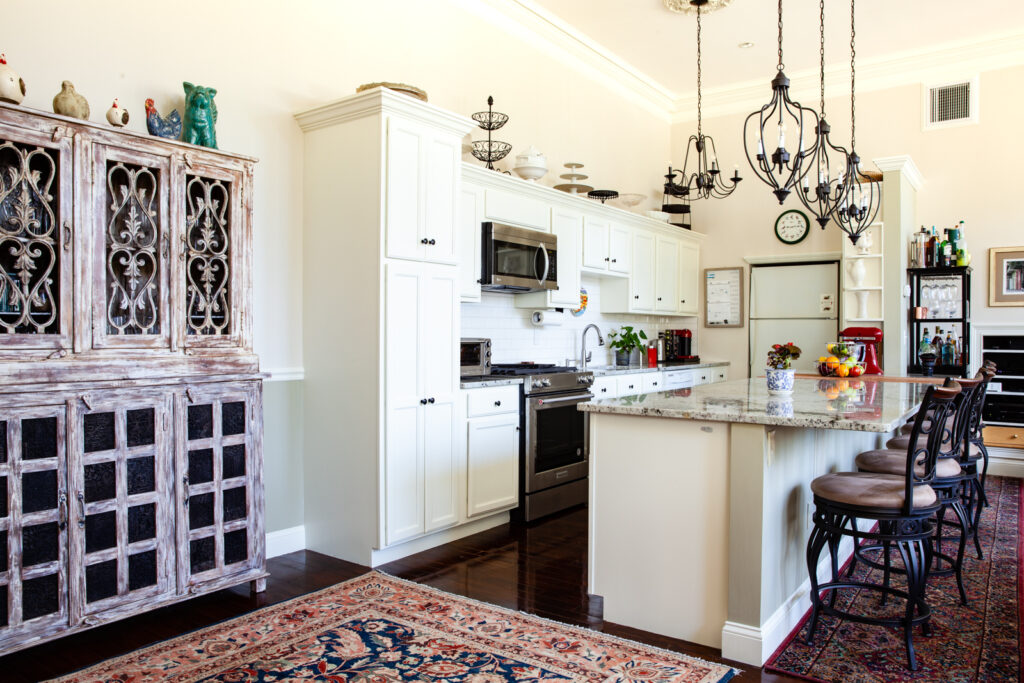
A kitchen transformation is easy to recognize in photos.
The cabinetry feels fresher. The finishes feel lighter. The room looks cleaner, brighter, and more current. But for homeowners living in the space every day, the most meaningful change is often quieter than that.
It is not just what the kitchen looks like.
It is how the kitchen feels.
That was the story behind this WORKS By JD kitchen transformation. The before image showed a kitchen that felt visually heavy and more closed in. The after image revealed a brighter, calmer, more refined space — one that immediately felt easier to understand and more comfortable to live with.
For homeowners planning a kitchen remodel, that difference matters.
A Better Kitchen Starts With How the Room Feels
Many homeowners begin a remodel by thinking about what they want to change visually. Cabinets. Counters. Lighting. Paint colors. Hardware. Flooring.
Those details matter, but they are only one part of a successful kitchen remodel.
Before finishes are selected, the bigger question is this:
How should the kitchen feel and function when the project is complete?
A kitchen can look updated and still feel frustrating. It can have beautiful materials and still feel tight, disconnected, or hard to use. The strongest remodels consider both the visible transformation and the daily experience behind it.
That means looking at how the room moves, where the eye goes, how the finishes work together, and whether the kitchen feels calm instead of crowded.
Why Visual Weight Matters in a Kitchen
In the before photo, the kitchen had a heavier feeling. That does not mean anything was wrong with the home itself. Many older kitchens simply reflect the design choices and layout priorities of their time.
Darker finishes, busier visual lines, and limited breathing room can make a kitchen feel smaller than it actually is. Over time, that can affect how the room is experienced. The space may still function, but it may not feel as comfortable, open, or inviting as the homeowner wants it to feel.
The after photo shows the power of a more thoughtful approach.
Lighter cabinetry, cleaner lines, and a more cohesive overall feeling help the kitchen feel calmer. The room does not have to shout to feel new. It feels more considered because the decisions work together.
That is the difference between simply updating a kitchen and rethinking how the kitchen supports the home.
Planning Creates the Transformation You Actually Feel
A strong kitchen remodel is not built from finishes alone. It is built from planning.
At WORKS By JD, planning is part of the value of the design-build process. The goal is not to rush into construction with a loose idea and hope the details come together later. The goal is to clarify the decisions before the work begins, so the finished space feels intentional.
That planning may include the way cabinetry relates to the room, how the lighting supports the space, how finishes interact, and how the kitchen will be used every day.
For homeowners, this matters because remodeling can feel overwhelming. There are countless decisions, and each one affects the next. A thoughtful process helps reduce that pressure by turning the remodel into a guided sequence of decisions instead of a scattered list of choices.
The result is not just a better-looking kitchen.
It is a kitchen that feels easier to live in.
The Real Goal Is Not Just “New”
One of the biggest mistakes homeowners can make is assuming that a kitchen remodel is successful simply because everything is new.
New does not automatically mean better.
A successful remodel should feel connected to the home. It should support the way the homeowner cooks, gathers, moves, stores, and lives. It should feel refined without feeling cold. It should feel fresh without feeling trendy. And it should feel built with enough care that the homeowner can trust it for years.
That is why project transformation content matters. It gives homeowners more than inspiration. It helps them understand what thoughtful remodeling can actually change.
In this kitchen, the visible difference is clear. But the deeper value is the feeling behind the transformation: lighter, calmer, more organized, and more considered.
What Homeowners Can Take From This Transformation
The takeaway is simple:
A kitchen does not always need to be bigger to feel better.
Sometimes the most important change is the planning behind the space. The right decisions can shift the entire feeling of a room — from heavy to calm, from dated to refined, from visually crowded to easier to enjoy.
For North Shore and Cape Ann homeowners considering a kitchen remodel, this is where the process should begin. Not with a rushed finish selection. Not with a generic idea of what is popular. But with a clear understanding of what is not working now and what needs to feel better when the project is complete.
That is where a stronger remodel starts.
WORKS By JD | Build it better, together.
Visit worksbyjd.com to begin your transformation.