When homeowners think about a successful remodel, they usually picture the finished space. They imagine the new kitchen, the expanded footprint, the added comfort, and the improved flow of the home. What often gets overlooked is the relationship behind that result.
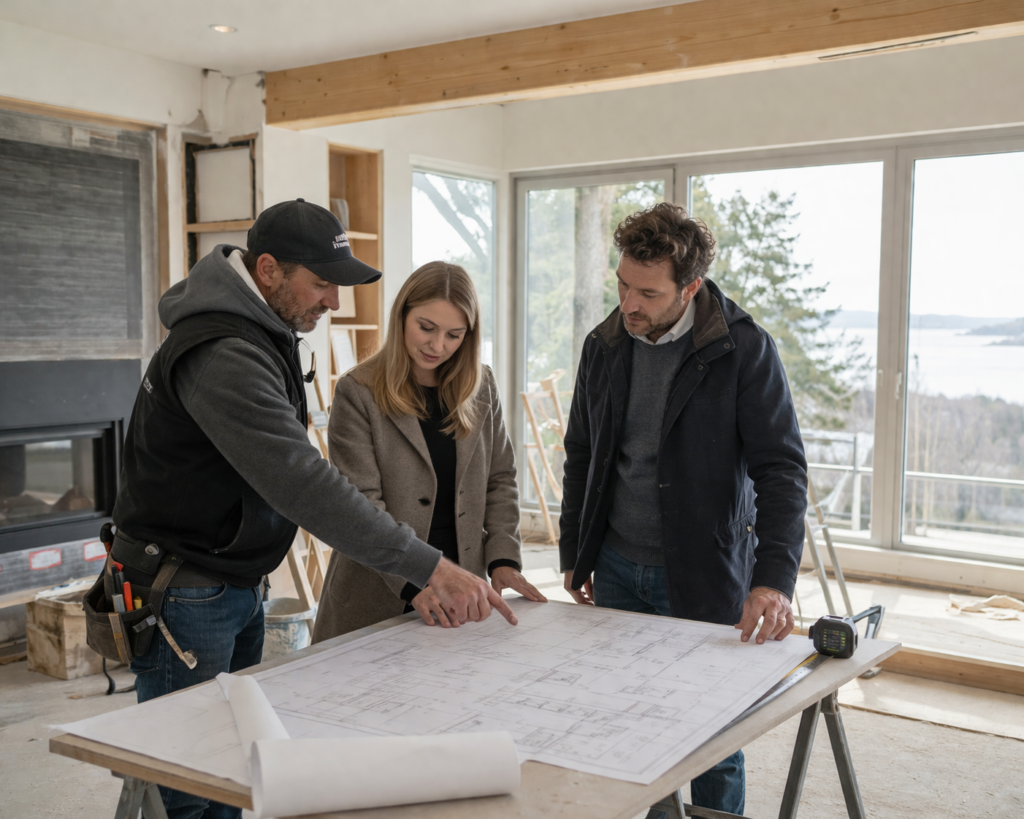
A strong architect-builder relationship can shape the entire remodeling experience. It affects how clearly a project is planned, how realistically it is budgeted, how smoothly decisions are made, and how well the final vision translates into a finished home. That is one reason WORKS by JD values conversations and collaborations with professionals like MASS Architect, LLC, where the focus is not just on design or construction alone, but on how the two work together to serve the homeowner well.
Better alignment leads to better planning
A remodel becomes more manageable when the architect and builder are aligned early. Instead of design happening in one corner and pricing happening much later in another, the project can be shaped around real conditions, real priorities, and real construction considerations from the start.
That early alignment gives homeowners something valuable: clarity. It helps answer practical questions sooner. Is the scope realistic for the budget? Does the design match the way the home will actually be built? Are there existing conditions that should influence the plan before too much time is spent moving in the wrong direction?
When the right architect-builder relationship is in place, planning feels more grounded. It is not just about ideas on paper. It is about building a roadmap that works.
Homeowners get more honest budget conversations
One of the strongest benefits of a well-aligned architect-builder relationship is budgeting realism.
Many homeowners begin the remodeling process with understandable assumptions about what an addition, renovation, or accessory space should cost. But today’s construction environment requires a more detailed and honest approach. Without that honesty early on, homeowners can lose time chasing plans that do not match the true scope of the work.
A coordinated architect and builder help prevent that. Instead of allowing expectations to drift too far from reality, they can guide the conversation toward smarter decisions. That may mean adjusting square footage, changing priorities, simplifying certain features, or protecting the elements of the project that matter most. The goal is not to reduce the vision. The goal is to make the vision achievable.
For homeowners, that leads to less frustration and fewer surprises. It also creates a process that feels more transparent and trustworthy.
Communication gets easier when the team works well together
Homeowners should not have to carry communication gaps between design and construction. They should not feel like they are translating between two sides of a project.
When the architect and builder already work with mutual respect and shared expectations, communication tends to become more direct and more useful. Questions are answered faster. Trade-offs are clearer. Decisions are easier to understand. The project feels less fragmented.
That kind of working relationship matters in every remodel, but especially in larger additions, whole-home renovations, and more complex homes where design intent and construction execution have to stay connected throughout the process. The better the communication behind the scenes, the more confidence the homeowner feels in front of the scenes.
Homeowners benefit from a design that can actually be built well
Good design matters. So does buildability.
The right architect-builder relationship helps create homes that are not just attractive on paper, but practical to execute with care. That includes thinking through structure, detailing, sequencing, existing conditions, and the level of documentation a project truly needs.
Not every remodel benefits from unnecessary complexity. In many cases, homeowners are better served by a thoughtful design process paired with a builder who knows how to execute it at a high level. That balance can lead to a more efficient experience without compromising quality. It also helps keep attention on the decisions that most affect comfort, durability, craftsmanship, and daily life in the home.
The relationship also shapes the homeowner experience
There is another part of this that matters just as much: fit.
The right architect-builder relationship is not only about technical coordination. It is also about communication style, temperament, responsiveness, and the ability to guide homeowners through decisions in a way that feels clear and steady. A good fit creates a better process. It reduces tension. It makes the project feel more supported.
Homeowners often sense this quickly. They can tell when professionals collaborate well, when they listen well, and when they are committed to solving problems rather than defending their own lane. That kind of alignment creates confidence, and confidence is an important part of any remodeling experience.
What this looks like in practice
At WORKS by JD, we believe homeowners benefit most when the people involved in a project are aligned around the same priorities: clarity, quality, communication, and realistic planning. Conversations with firms like MASS Architect reinforce that mindset. The value is not simply that an architect and builder know each other. The value is that they can work together in a way that protects the homeowner’s time, investment, and overall experience.
For homeowners on the North Shore of Massachusetts, that can mean a smoother path through major decisions. It can mean fewer disconnects between vision and cost. It can mean a more collaborative process from the earliest planning stages through construction. And ultimately, it can mean a finished space that feels as good to live in as it looked during the design phase.