Homeowners often think of remodeling in two stages.
First comes the construction. Then, at some later point, comes everything else.
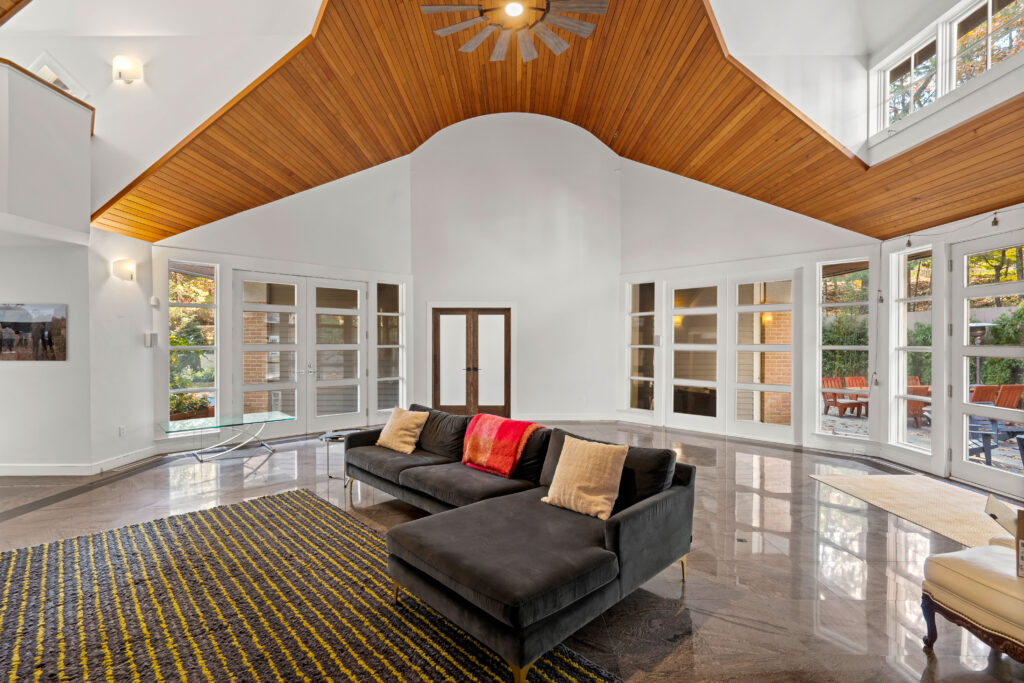
But in real life, those two phases are more connected than many people expect. A room may be beautifully renovated, yet still feel unfinished if the furniture scale is off, the lighting is unresolved, or the layout does not support the way the homeowner actually wants to live in the space. That broader idea came through clearly in a recent WORKS by JD discussion about furnishing support, local showroom resources, and the importance of thinking beyond construction alone. The conversation pointed toward a bigger homeowner truth: a successful remodel should not stop at the walls, cabinetry, and finishes. It should also help set up how the finished home will actually be used.
A Finished Room Still Has to Function
Construction can create the shell of a beautiful room, but that does not automatically make the room feel complete.
Once the renovation work is done, homeowners still have to make many practical decisions. What size sofa makes sense? How should the room be laid out? Where should lighting go if furniture placement is changing? Which pieces should be replaced, and which existing pieces still work? These choices have a major effect on how the room feels day to day.
That is one reason the conversation with Olivia Farmer was useful. She described in-store design support, product sourcing, floor plans, mood boards, and even in-home visits to help people think through furnishing and layout decisions more clearly. She also explained that this support can happen while a project is still under construction, which helps homeowners make better decisions before the room is fully finished.
For homeowners, that kind of planning matters. It means the room is being considered as a complete environment, not just a construction scope.
Remodeling Should Think Beyond the Build Itself
One of the strongest themes in the meeting was that WORKS by JD should be seen as more than a company that simply builds and walks away.
That is an important message for homeowners too. Arnie Tomaino made the point directly in the discussion when he said the company should think about what happens after a room is rebuilt, painted, and ready to be lived in. His broader argument was that homeowners are still making decisions after the construction work ends, and those decisions deserve support as part of the overall experience.
That perspective is valuable because it reflects what homeowners actually feel.
Very few people experience a remodel as a neat, isolated construction event. They experience it as a long chain of choices about how their home will function, look, and support everyday life. A premium remodeling experience should recognize that reality.
Furniture and Lighting Decisions Are Easier With Real Guidance
Many homeowners can visualize a new kitchen or bath in broad terms, but they are less certain once they get into room layout, furnishings, and finishing details.
How large should the dining table be? Will the sectional overpower the room? Are the pendants scaled correctly? Does the lighting support the seating plan, or does it only look right on paper? These are the kinds of questions that can make a finished room feel either polished or frustrating.
In the conversation, Olivia explained that showroom-based design support can help with furnishings, pendants, flush mounts, and other residential selections, while also giving homeowners a chance to see products in person rather than shopping only online. That ability to touch, compare, and talk through decisions with someone who understands the product mix is especially valuable when homeowners are trying to bridge the gap between construction plans and real daily living.
For homeowners, this means fewer guesswork decisions and a better chance of ending up with spaces that feel settled rather than almost finished.
The Best Remodels Feel Resolved, Not Just Completed
There is a meaningful difference between a project being done and a home feeling finished.
A project can pass inspection, meet scope, and still leave the homeowner with a long list of unresolved follow-up decisions. The furniture may not fit. The room may need more lighting. The homeowner may not know what to buy next or where to go for help. That lingering uncertainty can take away from the excitement of the remodel itself.
The WORKS by JD discussion touched on exactly this issue. The team talked about homeownership more broadly and how a homeowner may still need help with furnishing, shopping, and creating a cohesive result after the renovation phase is over. That mindset reflects a more thoughtful view of remodeling: not just delivering construction, but helping homeowners feel more confident about the whole experience of living in the home afterward.
That is a standard worth paying attention to.
Local Showroom Relationships Can Improve the Homeowner Experience
Another useful takeaway from the discussion is that homeowners often benefit when their remodeler already knows where to send them for the next layer of decisions.
Not every homeowner wants or needs full interior design services for furnishings. But many do want a trusted place to go, a local contact, and a more guided experience than browsing hundreds of products alone. In the meeting, Olivia described a physical showroom in the area where homeowners can come in, see products in person, and work with someone who knows the catalog and can help narrow options.
That matters because after a remodel, decision fatigue is real. Most homeowners have already made dozens of choices. A strong local connection can make the next round of decisions feel lighter, more organized, and less overwhelming.
Thoughtful Remodeling Includes the Way People Actually Live
At WORKS by JD, conversations like this are valuable because they reinforce a bigger principle: remodeling should be built around the homeowner’s lived experience, not only the construction schedule.
That means understanding that people do not just need rooms rebuilt. They need help making those rooms work. They need support with planning, clarity around next steps, and trusted resources when the construction phase transitions into everyday use. The discussion around furnishing support, showroom guidance, and the broader homeownership experience was useful for exactly that reason. It pushed the conversation past materials and labor alone and back toward what homeowners actually care about once the work is done.
For North Shore homeowners, that is the bigger takeaway. A great remodeling project should not simply leave you with a newly renovated room. It should leave you with a home that feels more complete, more usable, and more aligned with how you want to live in it.