Many homeowners think of interior design as the part of a project that comes after the important decisions have already been made.
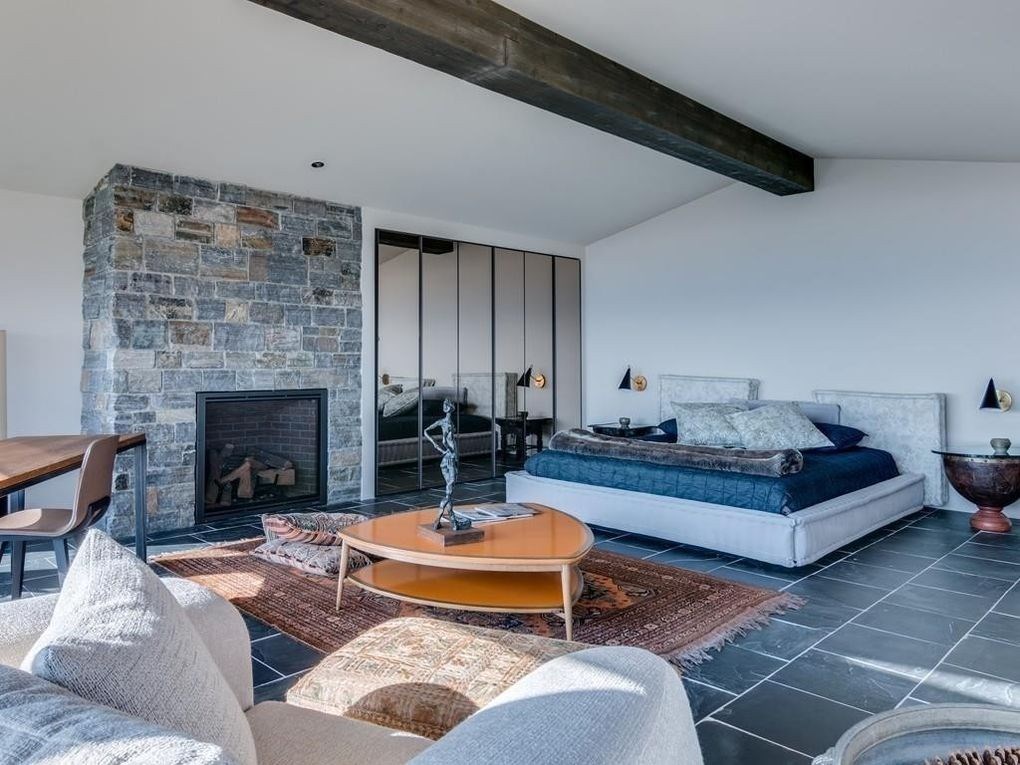
They think about furniture, styling, pillows, finishes, and final touches. Those things absolutely matter, but good interior design reaches much further than that. It helps shape how a room flows, how it feels to live in, and how confidently a homeowner moves through the remodeling process.
That idea came through clearly in a recent conversation between WORKS by JD and Trevor Fulmer Design. The discussion touched on room flow, furniture planning, lighting, budget alignment, trust, and the emotional side of design. More than anything, it reinforced an important point for homeowners: a well-designed space is not only about how it looks. It is about how it works, how it feels, and how supported you are while making decisions.
Interior Design Starts Earlier Than Many Homeowners Expect
One of the more common misconceptions in remodeling is that interior design only begins once construction decisions are done.
In reality, strong interior design often begins much earlier. In the conversation, Trevor Fulmer described interior architecture as a key part of the work, including things like open casings, doorway placement, circulation, symmetry, and the way a room should function depending on how people use it. He also connected those decisions directly to furniture planning, lighting, and the overall feeling of the space.
For homeowners, this matters because it changes the role design plays in the project. It is not simply decoration layered on top of construction. It is part of how the home is organized and experienced from the beginning.
A room can have expensive finishes and still feel unresolved if the layout is awkward, the scale is off, or the lighting does not support the way the space is actually used. Good design helps prevent that.
A Great Room Does More Than Look Good
Another strong takeaway from the discussion was that the goal is not just to design a room. It is to design an experience.
Trevor spoke about spaces that create a feeling, an emotion, a memory, or a response. He used examples that are easy for homeowners to understand: a gym should energize you, while a bedroom should calm you. Lighting levels, furniture choices, sound absorption, drapery, and layout all contribute to that experience.
That perspective is valuable because it helps explain why design has real value beyond style.
A well-designed home should support the mood of the room. It should make social spaces feel welcoming, private spaces feel restful, and daily routines feel easier. Those outcomes do not happen by accident. They come from intentional decisions about materials, furnishings, lighting, and how the whole room works together.
Homeowners Often Need Help Making Decisions They Do Not Yet Know How to Ask About
One of the most relatable parts of the conversation was the acknowledgment that many homeowners do not know what they do not know at the start of a remodel.
That does not mean they lack taste or vision. It means remodeling involves layers of decisions most people do not make every day. During the discussion, Jesse described a client who explicitly wanted more guidance, not less. She wanted someone to tell her what she was not yet seeing and help her think beyond the obvious choices. The conversation also emphasized that many homeowners only fully appreciate design support after experiencing how overwhelming it can be to make every choice alone.
This is one of the clearest reasons interior design adds value.
The right design partner does not remove the homeowner from the process. Instead, they help reduce unnecessary pressure. They narrow options, ask better questions, and help the client move toward decisions with more confidence and less second-guessing.
That is not an extra layer for the sake of complexity. It is often what makes the process feel manageable.
Better Collaboration Leads to Better Results
The conversation also highlighted something WORKS by JD cares deeply about: remodeling works best when the right specialists are involved at the right time.
Trevor spoke openly about the need to bring in the right resources, whether that means appliance showrooms, architects, landscape architects, engineers, or design professionals with deeper expertise in a specific category. He also emphasized the importance of clearly explaining each person’s role so homeowners understand that a successful project is built by a team, not by one person doing everything.
That is especially important for homeowners who are unsure where to begin.
Many people are confused about whether they should talk to a builder first, an architect first, or a designer first. What matters most is not forcing the homeowner to decode the process on their own. What matters is having a team that understands how to guide the project, define roles clearly, and bring in the right expertise before small uncertainties become larger frustrations.
Budget Clarity Is Part of Good Design Too
Design is often discussed as if it lives in a separate world from cost, but the conversation made clear that the two are closely connected.
Trevor explained that his team asks about budget early, often through a required questionnaire, and uses that information to understand whether the project and the client are truly aligned. He also described how asking targeted questions about individual purchases can help reveal a client’s expectations and whether those expectations match the kind of project they are envisioning.
For homeowners, that kind of clarity is useful, not uncomfortable.
It helps prevent the common problem of developing a vision that does not match the real level of investment required to achieve it. It also helps make the design process more honest. A good team should not wait until late in the project to reveal that the selections, furnishings, or finishes being imagined are well outside the intended budget.
Clear budget conversations are part of protecting the homeowner experience.
Trust Is What Holds the Process Together
Perhaps the strongest theme in the conversation was trust.
Trevor described trust as something that has to be established early and then reinforced throughout the life of the project. Jesse connected that directly to the homeowner experience, sharing the kind of feedback every great remodeler hopes to earn: a feeling that the client no longer has to carry the whole burden alone because they know the team has their back.
That is a powerful point because trust is often the difference between a stressful remodel and a well-led one.
Homeowners are making major decisions with real financial and emotional weight behind them. They are not only buying materials or construction services. They are placing confidence in people. They want to know that the advice they are getting is thoughtful, that the money is being spent wisely, and that the finished result will justify the investment.
Good design supports that trust. So does good collaboration. So does a process that makes the homeowner feel guided rather than left alone.
A Better Home Usually Comes From Better Guidance
At WORKS by JD, conversations like this are valuable because they sharpen how the team thinks about the full homeowner experience.
Trevor Fulmer Design brought a strong perspective to this discussion, especially around interior architecture, furniture planning, lighting, and the emotional side of design. That kind of collaboration matters because it reinforces something WORKS by JD believes in: better remodeling outcomes come from thoughtful planning, trusted relationships, and specialists who understand how to turn a house into a place that truly supports the way people want to live.
For homeowners on the North Shore of Massachusetts, that is the bigger takeaway. Interior design is not only about choosing what looks good. It is about creating a home that feels right, functions well, and reflects a level of care that can be felt long after construction is complete.