One of the biggest reasons homeowners feel overwhelmed at the beginning of a remodeling project is simple: they are not always sure where to start.
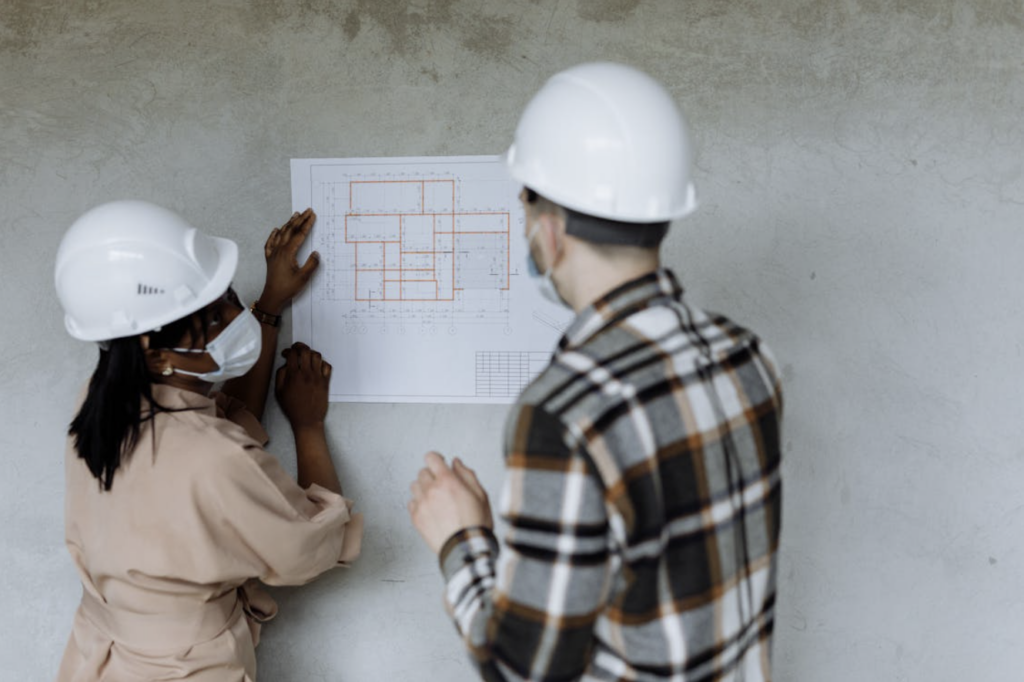
Should you call a builder first? An architect? An interior designer? An engineer? For many people, that confusion begins before the real planning even starts. And once a homeowner feels unsure about the right first step, the entire project can begin with hesitation instead of clarity.
At WORKS by JD, we believe one of the best ways to reduce that stress is to treat architectural planning as an important early part of the remodeling process, not as a disconnected service that happens in isolation. In a recent Monday Power Hour conversation, that idea came through clearly as the team discussed how homeowners benefit when architectural thinking, design intent, feasibility, budgeting, and construction planning are considered together from the start.
Homeowners Need More Than Drawings
When most people think about architecture, they think about plans.
But from a homeowner’s point of view, good architectural planning is really about something deeper. It is about understanding what is possible on a specific property, what the home needs functionally, how a space should feel, and how the vision can realistically move from concept into construction.
That includes early questions many homeowners do not yet know to ask. Can the addition fit within zoning rules? Will a project need special approvals? Is the layout truly workable once the mechanical systems are considered? Will the finished room function the way the homeowner imagines, or will hidden constraints create problems later?
These are not small details. They shape the entire direction of the project.
Why Starting Early Prevents Expensive Confusion
One of the strongest themes from the conversation was that every house is different, every site is different, and every project comes with its own set of limitations and opportunities. That is exactly why early planning matters so much.
Without enough architectural and design coordination up front, homeowners can end up making assumptions based on square footage, inspiration photos, or rough ideas that have not yet been tested against real conditions. Then, once construction begins, unexpected issues start surfacing. A room dimension may not work the way everyone thought. A duct may end up where a fixture needs to go. A finish selection may no longer fit the actual field conditions. A budget expectation may no longer align with the true scope of the work.
This is where early architectural involvement adds real value. It helps uncover those issues before they become expensive, frustrating, or disruptive.
A Better Remodel Comes From Integrated Thinking
The best remodeling projects are not the result of one person working in a silo. They come from strong coordination between design and construction.
That is one of the reasons WORKS by JD values a design-build mindset. A remodel should not move from architectural ideas to construction decisions as if those are completely separate worlds. They need to inform each other. The homeowner should benefit from a process where design intent, estimating, approvals, field conditions, and project execution are connected.
When that happens, the project becomes easier to understand and easier to manage.
Instead of being handed drawings and left to figure out the rest, the homeowner has a team helping translate ideas into a practical path forward. That means better communication, clearer expectations, and fewer surprises once work is underway.
Feasibility Matters More Than Many Homeowners Realize
Another important point is that not every project is simply a matter of preference or budget. Some ideas must first be tested against feasibility.
That may include zoning restrictions, property setbacks, conservation requirements, historic considerations, neighborhood approvals, or other municipality-specific conditions. Homeowners often do not know these issues exist until someone experienced explains them.
That kind of guidance matters because it protects time, money, and momentum. It also helps homeowners understand the difference between a project idea that sounds possible and a project path that is actually workable.
For a homeowner, that is incredibly valuable. It means the process begins with realistic guidance instead of guesswork.
Design Intent Still Needs Protection During Construction
Even with good drawings, a project does not simply run on autopilot.
Field conditions change. Measurements need to be confirmed. Mechanical systems need to coordinate with layout decisions. Finish details may need adjustment once framing is complete. All of this is part of making sure the final result still reflects the original vision.
This is where continued design and architectural oversight can make a meaningful difference. It helps ensure that the home is not only being built correctly, but also being built thoughtfully. Details that may seem small on paper often have a major effect on how the finished space looks, feels, and functions.
For homeowners, this is often one of the least visible parts of the process, but it is one of the most valuable.
The Right Process Makes Homeowners Feel More Confident
At the heart of all of this is confidence.
Most homeowners are not looking to become experts in zoning, schematic design, HVAC coordination, field verification, or permit strategy. They want to know that their project is being approached in the right order by the right people. They want to feel that the team understands both the big picture and the details. They want guidance they can trust.
That is why early architectural planning matters so much in a North Shore remodel. It helps organize complexity before complexity turns into stress. It supports better design decisions, more accurate expectations, and a smoother experience from concept through construction.
At WORKS by JD, that is exactly the goal. We want homeowners to feel supported from the beginning, with a process that brings together the right planning, the right people, and the right level of coordination to move a project forward well.